
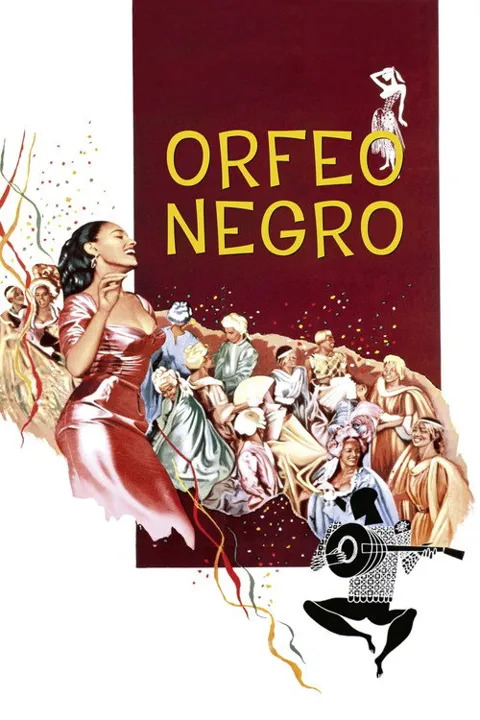
Black Orpheus
| Director | Marcel Camus |
| Writer | Jacques Viot, Vinicius de Moraes, Marcel Camus |
| Cinematography | Jean Bourgoin |
| Music | Luiz Bonfá, Antonio Carlos Jobim |
| Cast | Breno Mello, Marpessa Dawn, Lourdes de Oliveira, Léa Garcia, Adhemar Ferreira da Silva |
The myth of Orpheus and Eurydice set in a Rio de Janeiro favela during Carnaval. Orfeu, a trolley driver engaged to Mira, falls in love with Eurydice, newly arrived in the city and fleeing a stranger she believes wants to kill her: Death, in a skeleton costume.
| Copy | Complete · 108 of 100 min |
| Quality | HD |
| Version | Portuguese · With subtitles |
| Checked | 08/24/2026 |
Pros
- Palme d'Or at Cannes, Academy Award for Best Foreign Language Film and Golden Globe for Best Foreign Film.
- Its soundtrack by Antônio Carlos Jobim and Luiz Bonfá, with "Manhã de Carnaval" and "A felicidade", helped make Brazilian popular music famous worldwide and produced bossa nova classics.
- 87% on Rotten Tomatoes and 81 out of 100 on Metacritic.
- Jean-Michel Basquiat cited it among his early musical influences.
Cons
- In Brazil it has been criticised for exoticising the country for foreign audiences and reinforcing stereotypes about Afro-Brazilians.
- Vinicius de Moraes, author of the original play, was outraged and walked out in the middle of the screening.
What the critics said
«Colorful, atmospheric, and infectious, Black Orpheus takes an ancient tale and makes it fresh anew, thanks in part to its bewitching bossa nova soundtrack.»
Rotten Tomatoes · consenso de la crítica · Source ↗
Today's consensus.
Famous scenes
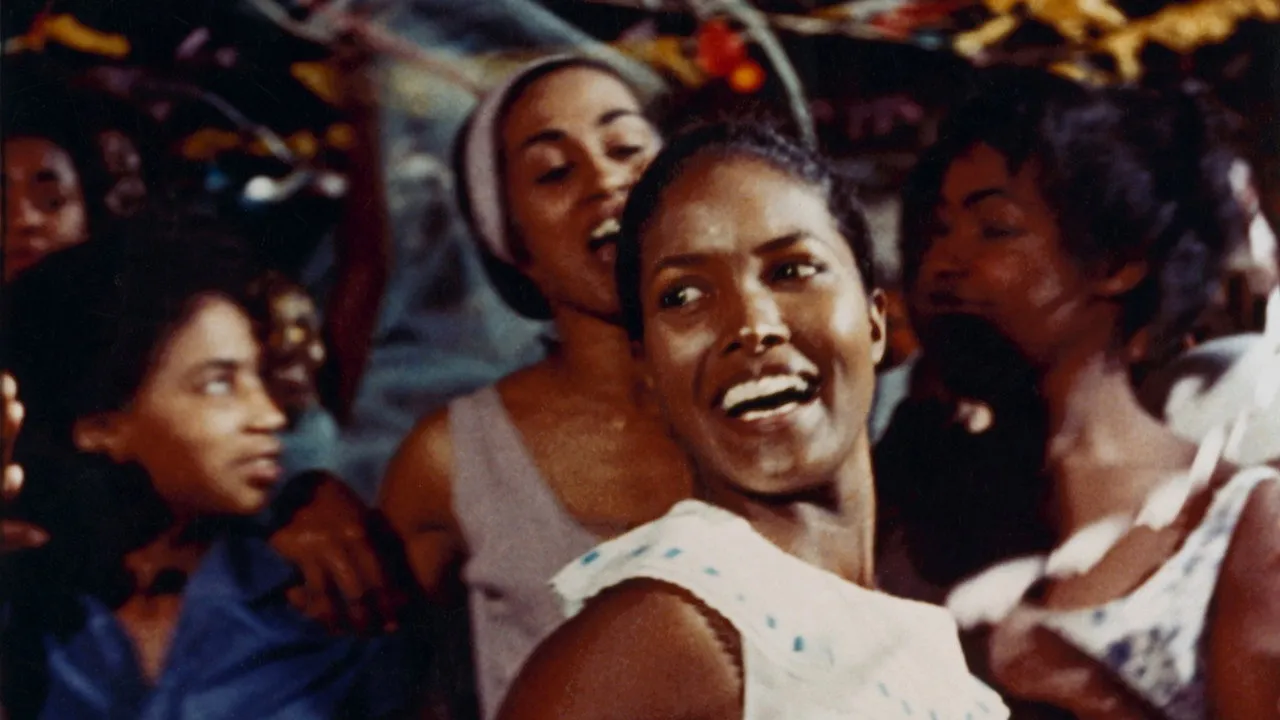
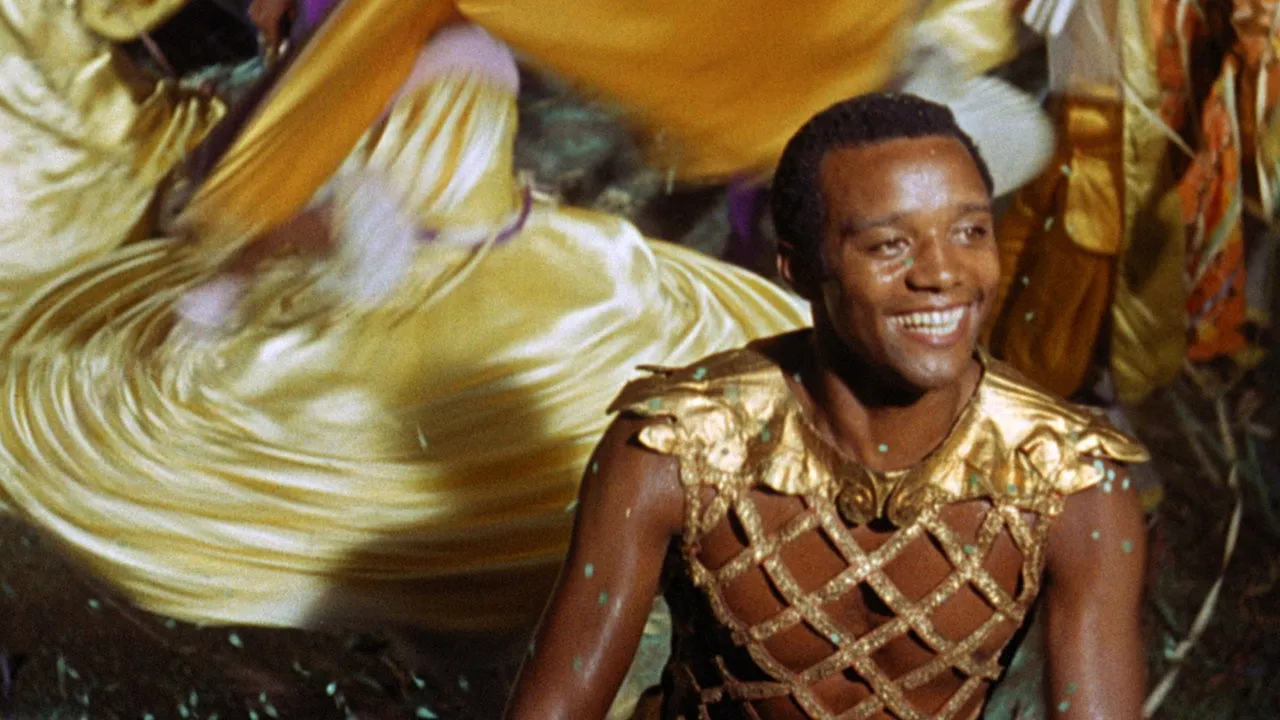
A marble Greek bas-relief explodes, revealing Afro-Brazilian men dancing the samba to drums in a favela.
Eurydice arrives in Rio and boards the trolley Orfeu drives; at the end of the line, the station guard, Hermes, gives her directions.
Hearing Orfeu's name, the clerk jokingly asks whether his fiancée Mira is Eurydice, annoying her.
Gallery
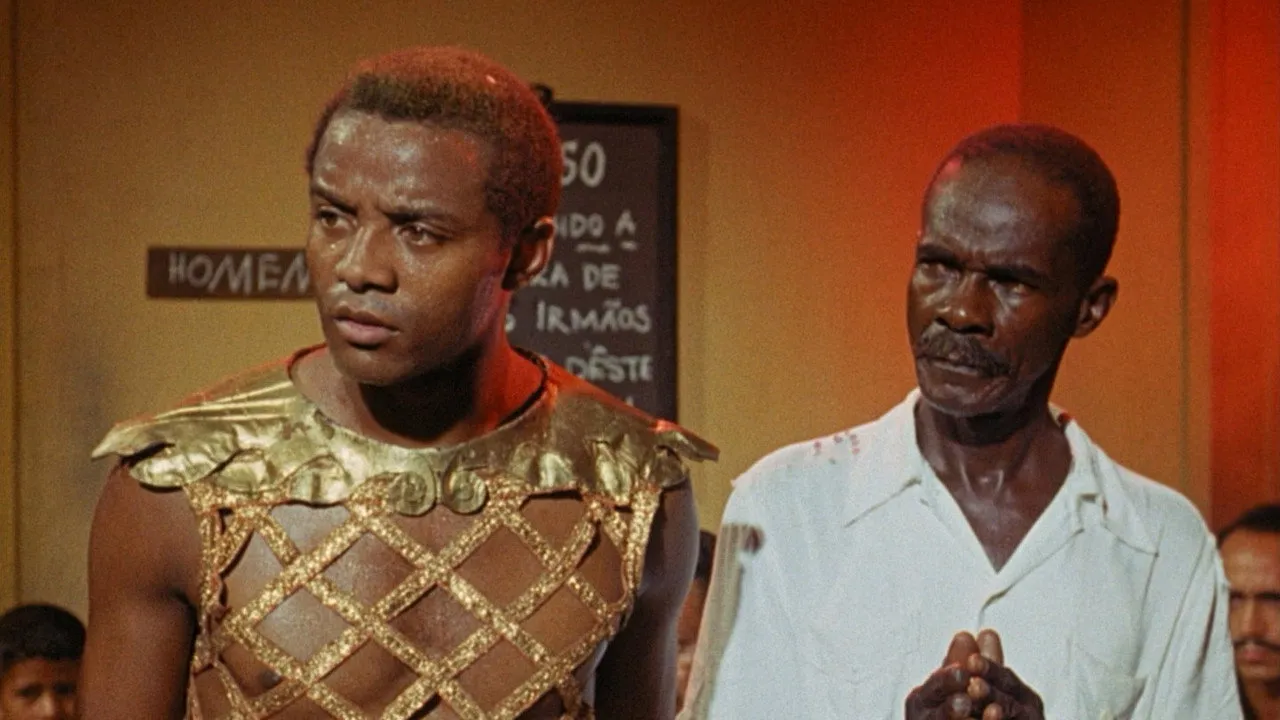
Stills: TMDb
True or false?
Breno Mello, who plays Orfeu, sings his own songs.
Connections in the catalog
Awards
| Palme d'Or | 1959 |
| Academy Award for Best International Feature Film | 1960 |
Budget and box office
| Box office | $750,000 |
Adjusted for inflation using the US CPI
Technical details and shooting
| Image | Color |
| Languages | Portuguese |
| Cinematography | Jean Bourgoin |
| Music | Antônio Carlos Jobim and Luiz Bonfá |
| Shooting | Morro da Babilônia, Rio de Janeiro |
Script and source material
| Based on | Orfeu da Conceição |
Wikipedia (EN) · Wikipedia (ES) · Wikidata · IMDb · TMDb
Analysis prepared with AI assistance from these sources. Quotes are checked word for word against the original text. How we build these pages →