
Harakiri
| Director | Masaki Kobayashi |
| Writer | Yasuhiko Takiguchi, Shinobu Hashimoto |
| Cinematography | Yoshio Miyajima |
| Music | Tôru Takemitsu |
| Cast | Tatsuya Nakadai, Akira Ishihama, Shima Iwashita, Tetsurō Tanba, Masao Mishima |
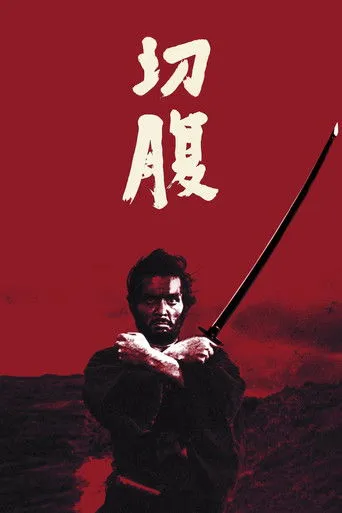
In 1630 Japan, an impoverished rōnin, Hanshirō Tsugumo, arrives at the House of Iyi and asks permission to commit harakiri in its courtyard. To deter him, the clan's counselor tells him what happened to another young samurai who made the same request.
| Copy | Complete · 133 of 133 min |
| Quality | HD |
| Version | Japanese · No subtitles |
| Checked | 08/24/2026 |
Pros
- Special Jury Prize at Cannes in 1963.
- Tatsuya Nakadai gives a performance critics likened to Mifune's.
- It dismantles the myth of the samurai code from within.
- 100% on Rotten Tomatoes; Roger Ebert added it to The Great Movies.
Cons
- Very harsh in some scenes, especially the agony with the bamboo sword.
- Bosley Crowther wasn't won over by its human drama.
What the critics said
«Slow, measured cadence perfectly matches his subject»
Monthly Film Bulletin · Source ↗
The same review praises Nakadai's "Mifune-like" performance.
«He achieves a sort of visual mesmerization that is suitable to the curious nightmare mood»
Bosley Crowther · The New York Times · Source ↗
Unconvinced by the drama, he pays tribute to the staging.
«Single finest picture»
Donald Richie · Source ↗
The great Japanese film scholar puts it at the top of Kobayashi's work.
«Samurai films, like westerns, need not be familiar genre stories.»
Roger Ebert · The Great Movies, 2012 · Source ↗
He argues the genre can contain ethical dilemmas and tragedy.
Famous scenes
Forced to keep his word, young Motome must commit harakiri with a bamboo sword.
Hanshirō reveals that before arriving he cut off the topknots of two of the samurai responsible, a supreme humiliation.
In the final fight, Hanshirō smashes the antique suit of armor that symbolizes the House of Iyi's glory.
Gallery

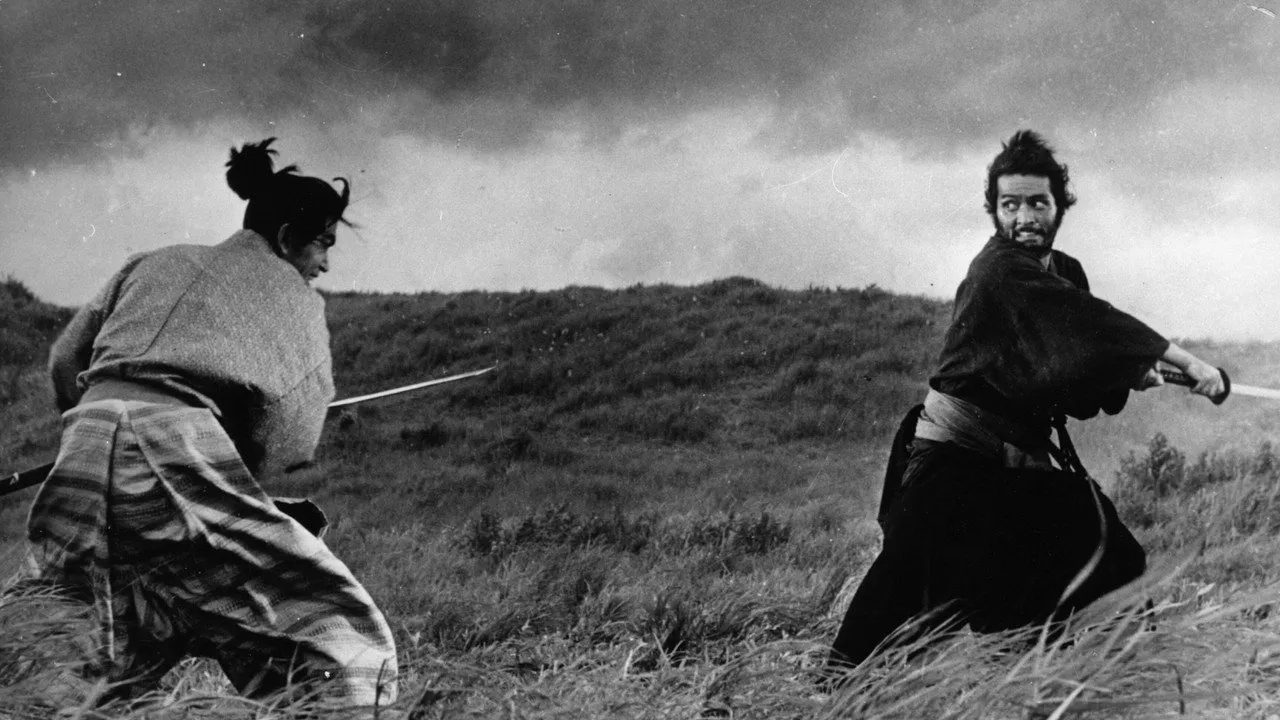

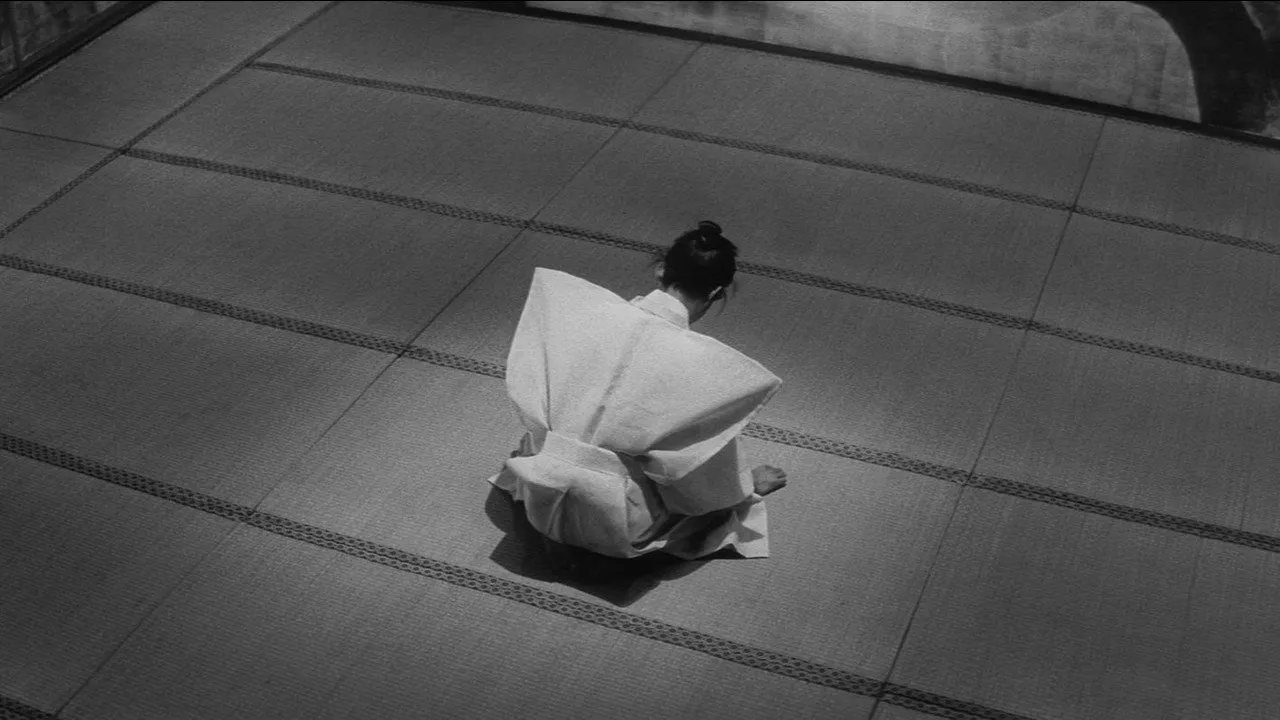
Stills: TMDb
True or false?
Harakiri won the Palme d'Or at Cannes.
Connections in the catalog
In the great lists
| Roger Ebert · The Great Movies | Included |
Awards
| Special Jury Prize, Cannes Film Festival | 1963 |
A favorite of
| Keisuke Kinoshita | Named it among the five greatest Japanese films ever · Source ↗ |
Budget and box office
| Box office | $15,000 |
Adjusted for inflation using the US CPI
Technical details and shooting
| Image | Black and white |
| Languages | Japanese |
| Period | 1619 to 1630, Edo period, under the Tokugawa shogunate |
| Music | Tōru Takemitsu, electronic score |
| Format | CinemaScope |
Wikipedia (EN) · Wikipedia (ES) · Wikidata · IMDb · TMDb
Analysis prepared with AI assistance from these sources. Quotes are checked word for word against the original text. How we build these pages →