
Documentary
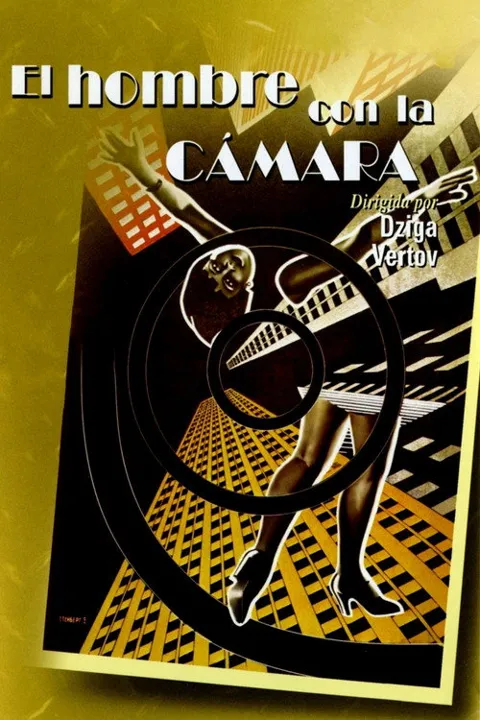
Man with a Movie Camera
Chelovek s kino-apparatom · El hombre de la cámara
| Director | Dziga Vertov |
| Writer | Dziga Vertov |
| Cinematography | Mikhail Kaufman |
| Music | Pierre Henry, Nigel Humberstone |
| Cast | Mikhail Kaufman, Elizaveta Svilova |
Synopsis
A cameraman roams Moscow, Kiev, Kharkov and Odessa from dawn to dusk, filming Soviet citizens at work, at play and amid the machinery of modern life. The film itself shows how it is shot and edited.
| Copy | Complete · 67 of 68 min |
| Quality | HD |
| Version | Russian · No subtitles |
| Checked | 08/24/2026 |
2014 Restoration Trailer
Pros
- Named the best documentary of all time by Sight & Sound in 2014.
- A catalogue of techniques: double exposure, fast and slow motion, split screens, jump cuts.
- No actors: it portrays Soviet city life from dawn to dusk.
- Eighth greatest film ever in Sight & Sound's 2012 poll.
Cons
- On release it was criticized for its fast cutting and form over content.
What the critics said
«It made explicit and poetic the astonishing gift the cinema made possible, of arranging what we see, ordering it, imposing a rhythm and language on it, and transcending it.»
Roger Ebert · Source ↗
On its film language.
Gallery
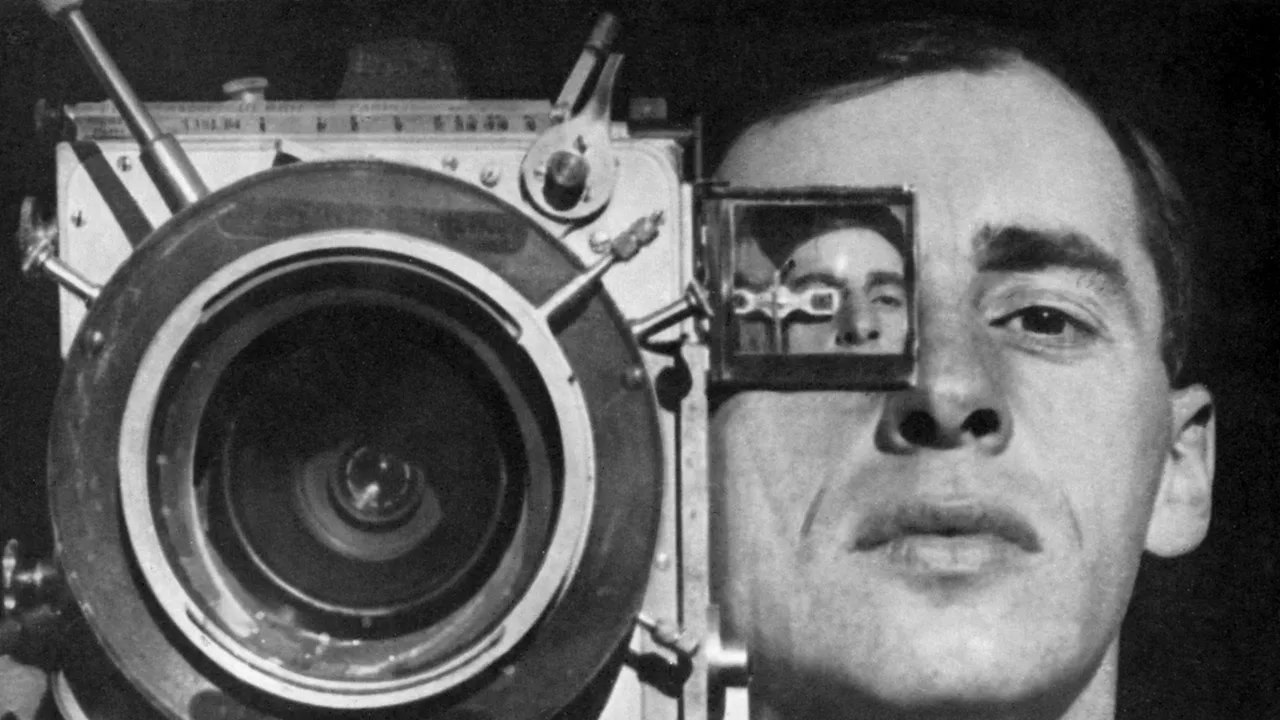
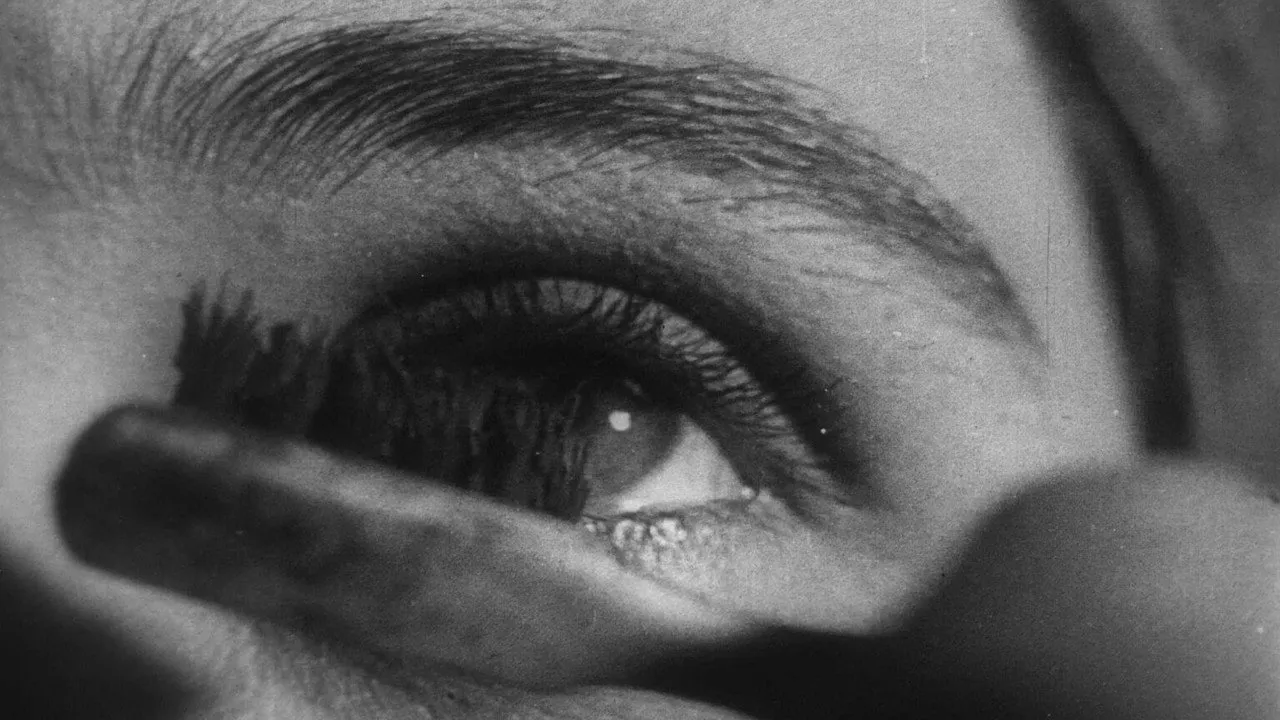
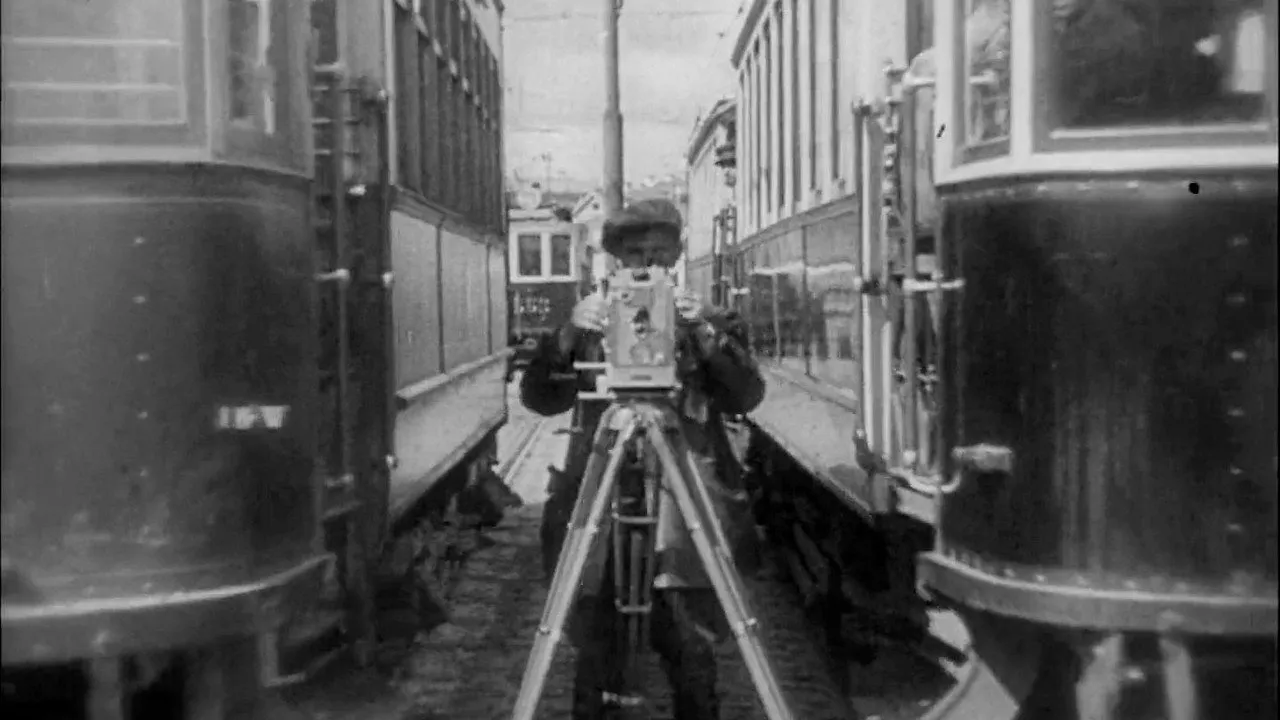
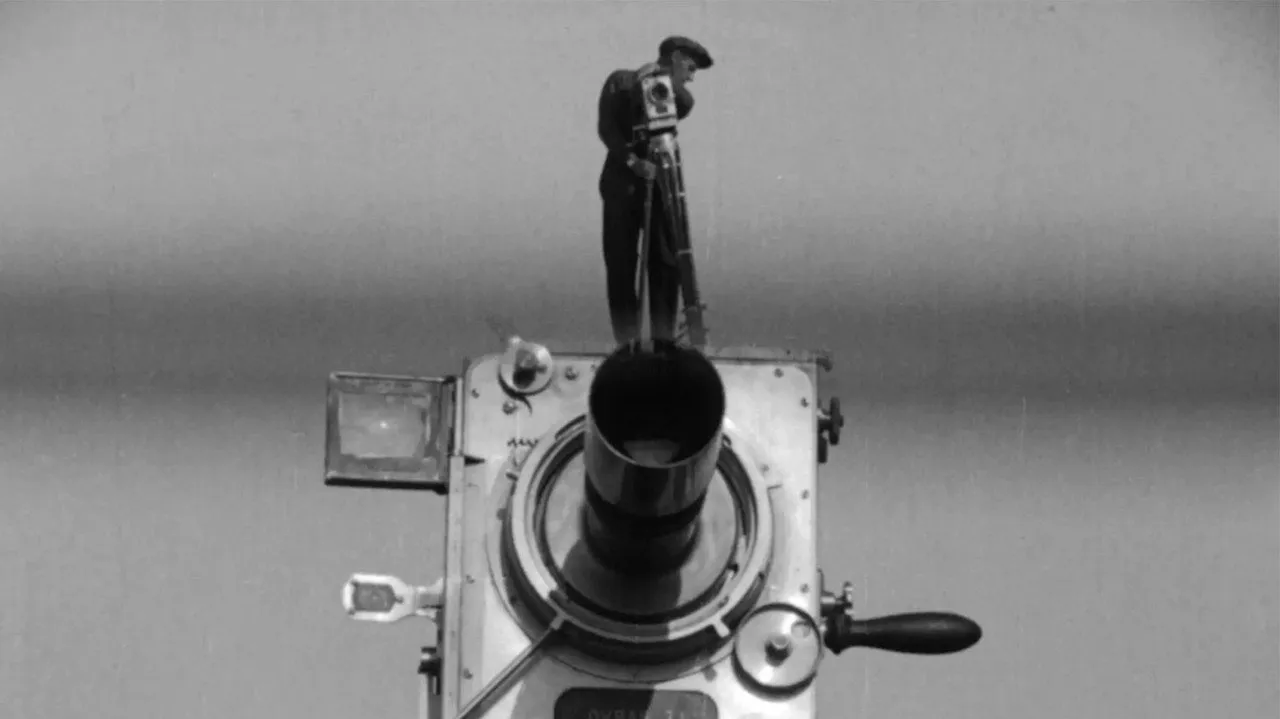
Stills: TMDb
True or false?
Vertov borrowed his ideas from Berlin: Symphony of a Great City.
It's false. Vertov explained he had used those techniques for ten years in his Kino-Pravda newsreels, before Ruttmann. Source ↗
In the great lists
| Sight & Sound · critics (2012) | 8th |
| Sight & Sound · critics (2022) | 9th |
Awards
| 100 best films in the history of Ukrainian cinema |
Technical details and shooting
| Image | Black and white |
| Languages | Silent |
| Editing | Yelizaveta Svilova, Vertov's wife |
| Camera | Mikhail Kaufman, Vertov's brother, who appears as the cameraman |
| Shooting | About three years |
Wikipedia (EN) · Wikipedia (ES) · Wikidata · IMDb · TMDb
Analysis prepared with AI assistance from these sources. Quotes are checked word for word against the original text. How we build these pages →