
Drama
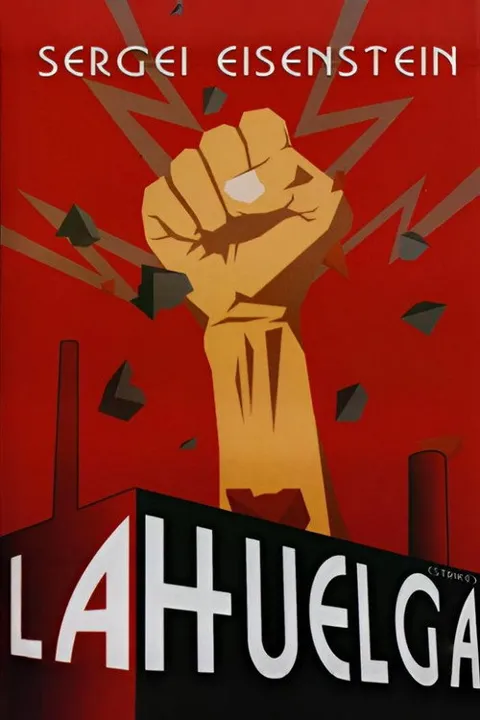
Strike
Stachka · La huelga
| Director | Sergei Eisenstein |
| Writer | Grigoriy Aleksandrov, Sergei Eisenstein, Ilya Kravchunovsky |
| Cinematography | Vasili Khvatov, Vladimir Popov |
| Cast | Grigoriy Aleksandrov, Maksim Shtraukh, Mikhail Gomorov, I. Ivanov, Ivan Klyukvin |
Synopsis
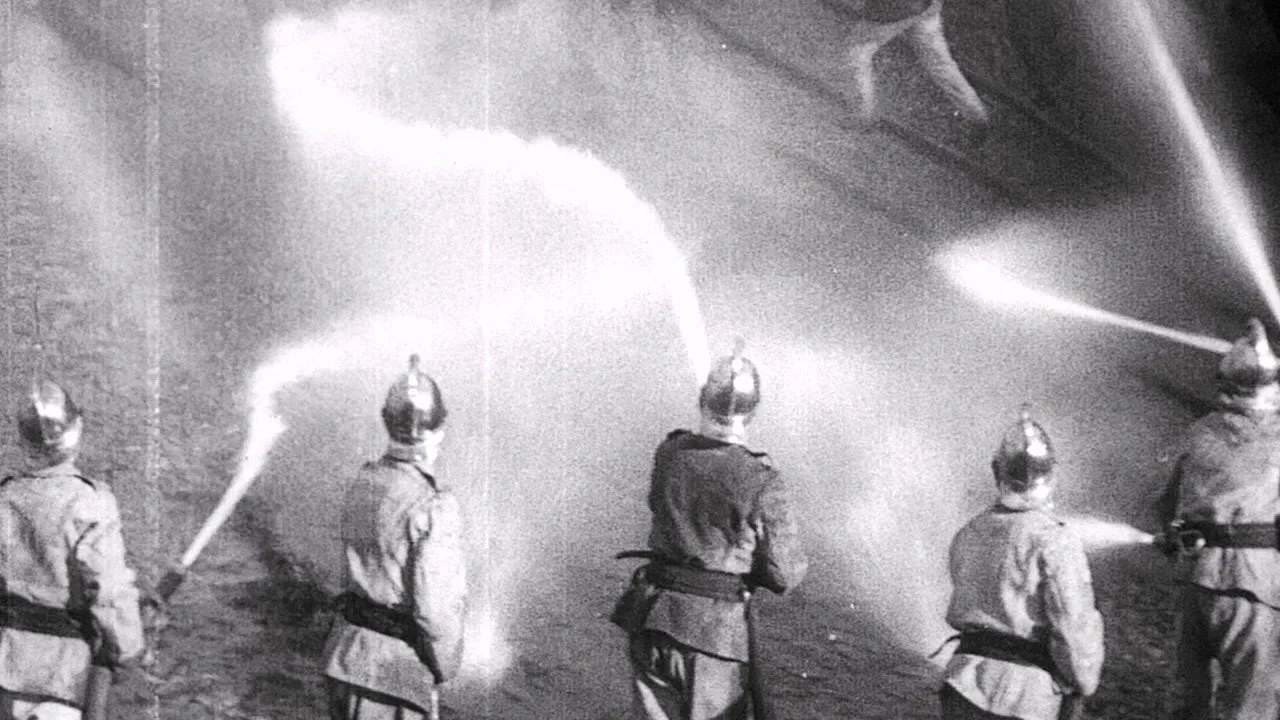
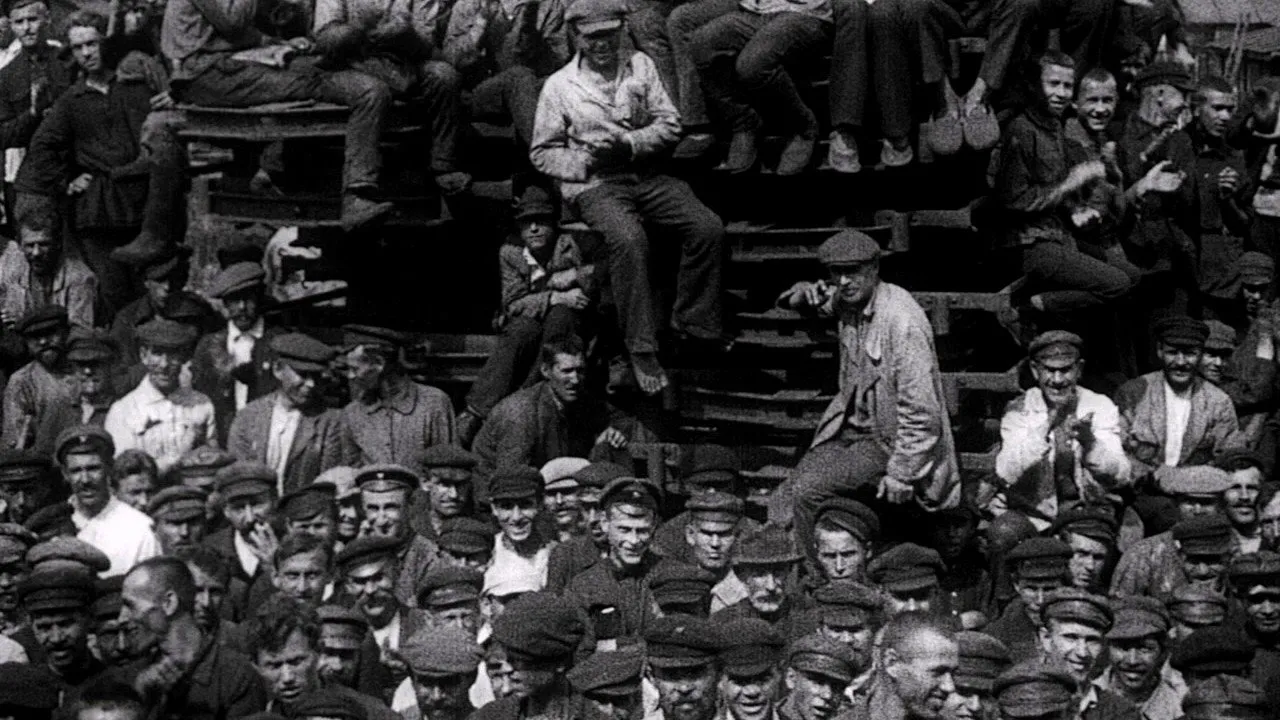
In pre-revolutionary Russia in 1903, the workers of a factory watched by management's spies go on strike, and the company and authorities set out to crush it.
| Copy | Complete · 89 of 82 min |
| Quality | HD |
| Version | Russian · No subtitles |
| Checked | 08/24/2026 |
Strike Stachka Sergei Eisenstein 1925 - Trailer
Pros
- Sergei Eisenstein's first feature and now one of his more accessible works.
- Gold medal for Eisenstein at the 1925 International Exhibition of Modern Decorative and Industrial Arts in Paris.
- 100% on Rotten Tomatoes.
- A major influence on many of his contemporaries.
Cons
- Many audiences of its time were confused by its eccentric style.
What the critics said
Famous scenes
At the factory all is quiet
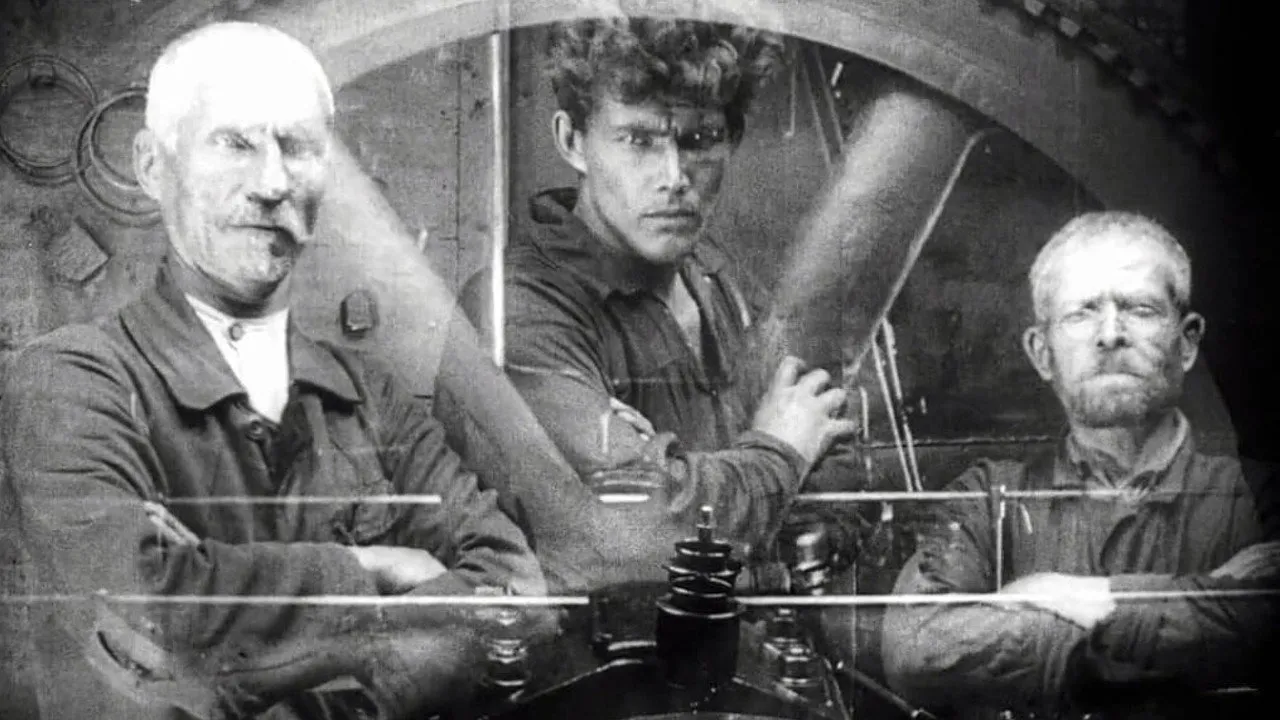
The word "but" is added to the first chapter's title, which then animates and dissolves into an image of machinery in motion.
The spies
Management reviews a list of its agents, each with a vivid code name.
Gallery
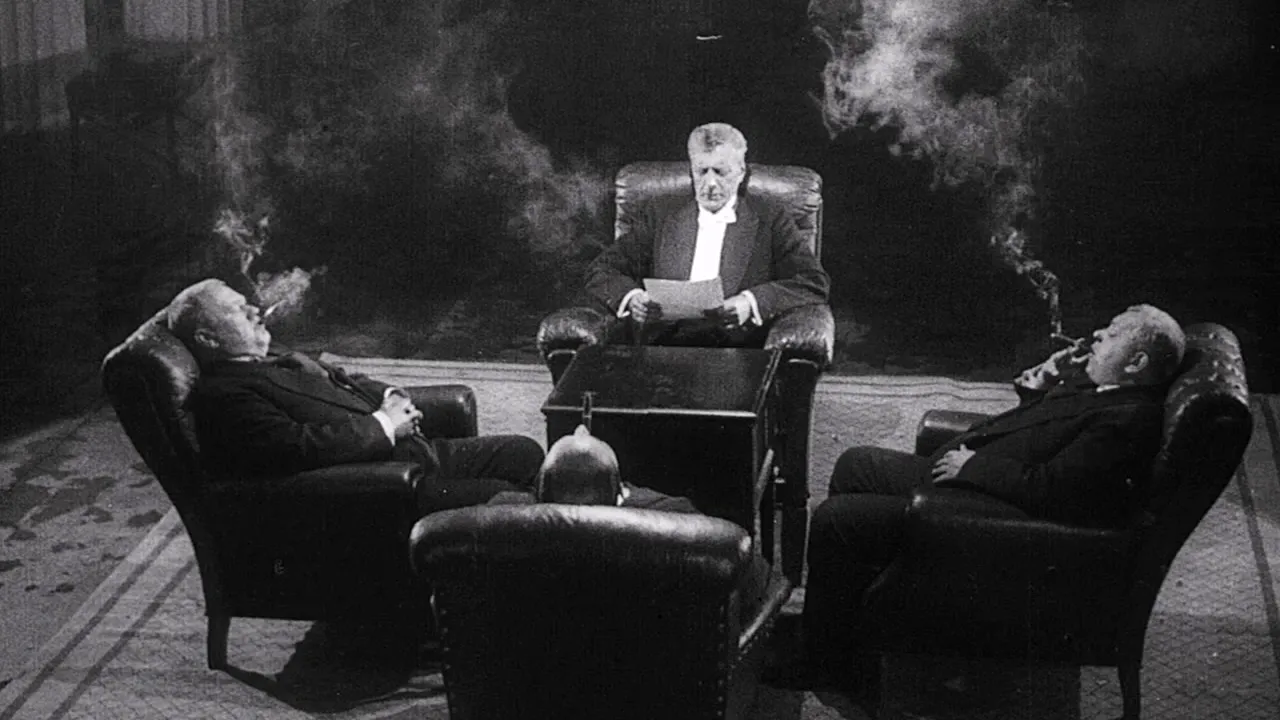
Stills: TMDb
True or false?
It was meant to be part of a seven-part series.
It's true. It was one entry of the proposed series "Towards Dictatorship of the Proletariat", which also produced Battleship Potemkin. Source ↗
Connections in the catalog
Regular team: Sergei Eisenstein and Eduard Tisse made 4 more films together in the catalog.
Director · Writer
Sergei Eisenstein5 more
Writer
Grigoriy Aleksandrov2 more
Cinematography
Eduard Tisse4 more
Cast
Grigoriy Aleksandrov1 more
Mikhail Gomorov1 more
Technical details and shooting
| Image | Black and white |
| Languages | Silent |
| Cinematography | Eduard Tisse |
| Production | Proletcult Theatre and Goskino |
| Structure | Six parts |
Wikipedia (EN) · Wikipedia (ES) · Wikidata · IMDb · TMDb
Analysis prepared with AI assistance from these sources. Quotes are checked word for word against the original text. How we build these pages →