
Adventure · Drama · Thriller
The Eagle Has Landed
Ha llegado el águila
| Director | John Sturges |
| Writer | Tom Mankiewicz, Jack Higgins |
| Cinematography | Anthony B. Richmond |
| Music | Lalo Schifrin |
| Cast | Michael Caine, Donald Sutherland, Robert Duvall, Jenny Agutter, Donald Pleasence |
Synopsis
In the middle of World War II, German command plans to kidnap Winston Churchill during his visit to Studley Constable, a quiet Norfolk village. Colonel Kurt Steiner and his paratroopers infiltrate with help from Irishman Liam Devlin.
| Copy | Complete · 135 of 123 min |
| Quality | HD |
| Version | English · No subtitles |
| Checked | 08/24/2026 |
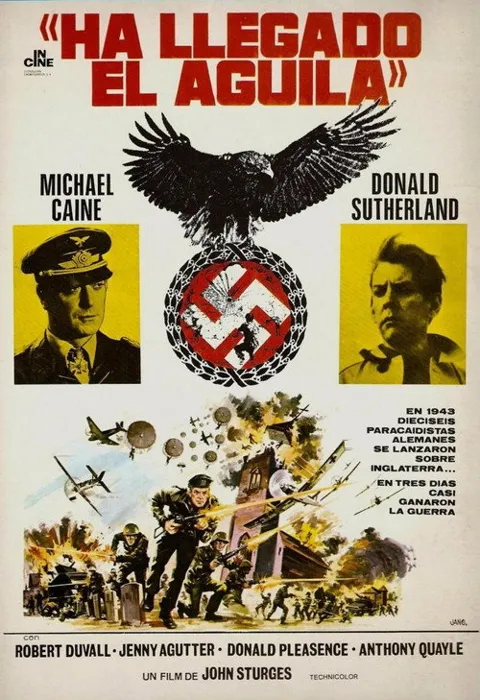
Vintage Trailer
Pros
- An entertaining war thriller with Michael Caine, Donald Sutherland and Robert Duvall.
- A critical and commercial success: number one in the UK in 1977.
- John Sturges's last film.
- Music by Lalo Schifrin.
Cons
- Its plausibility is debatable, as critics themselves admitted.
What the critics said
«a good, old-fashioned, adventure movie that is so stuffed with robust incidents and characters that you can relax and enjoy it»
Vincent Canby · The New York Times · Source ↗
He praised the script and direction.
Gallery
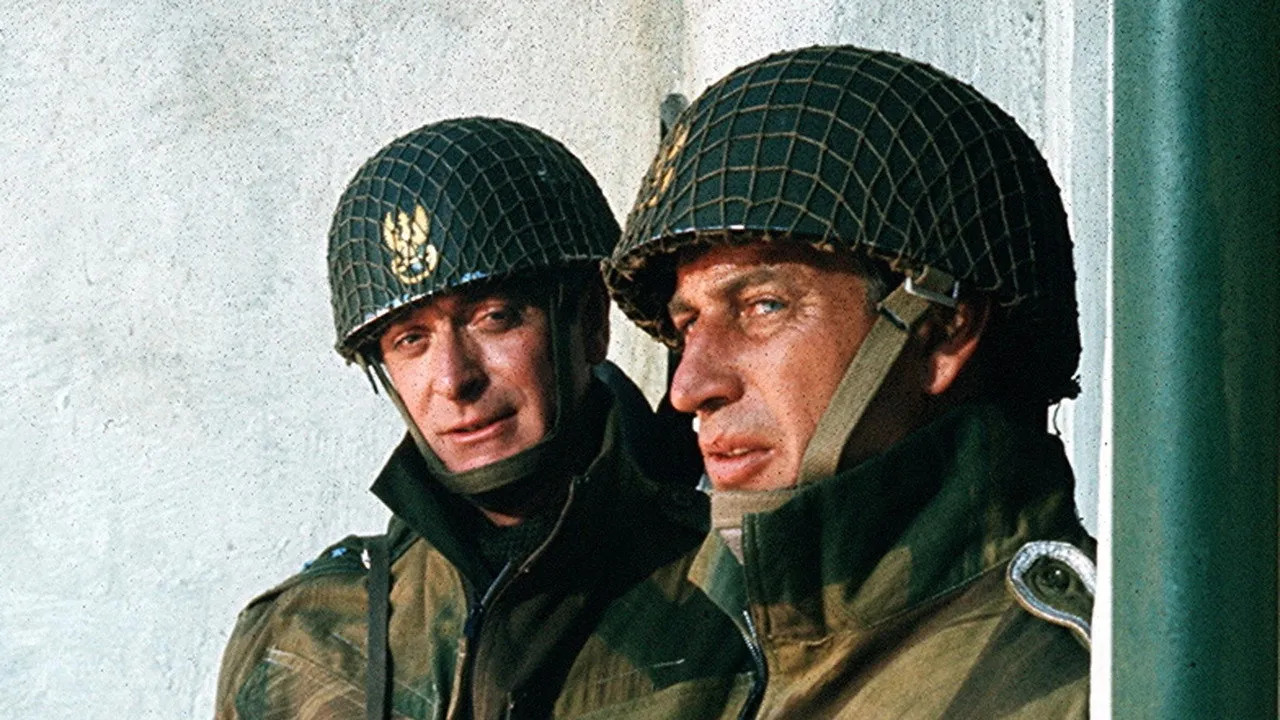
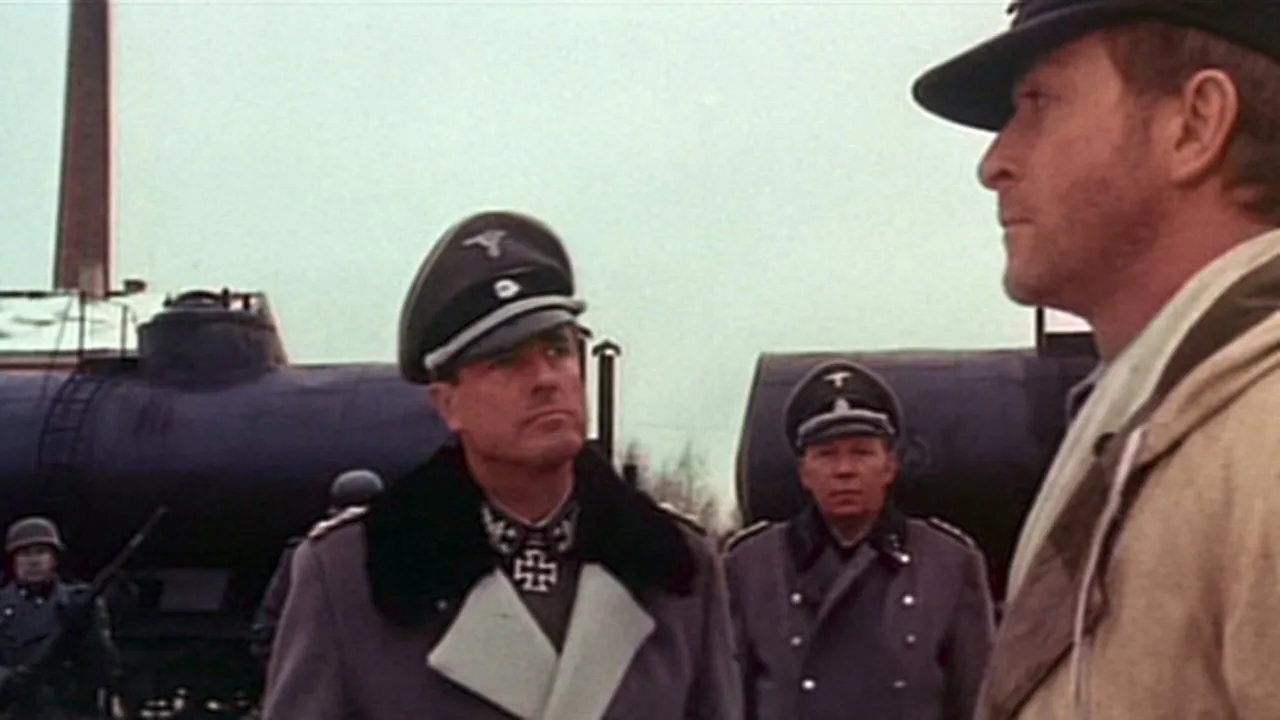
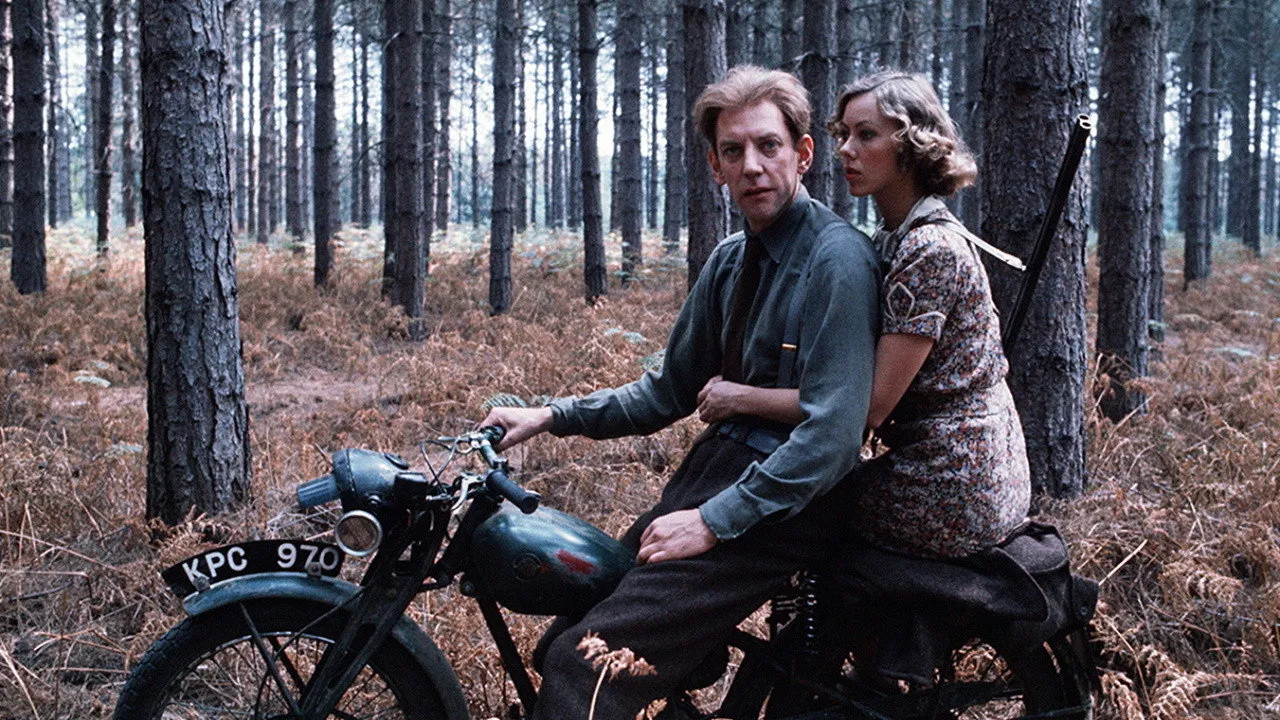
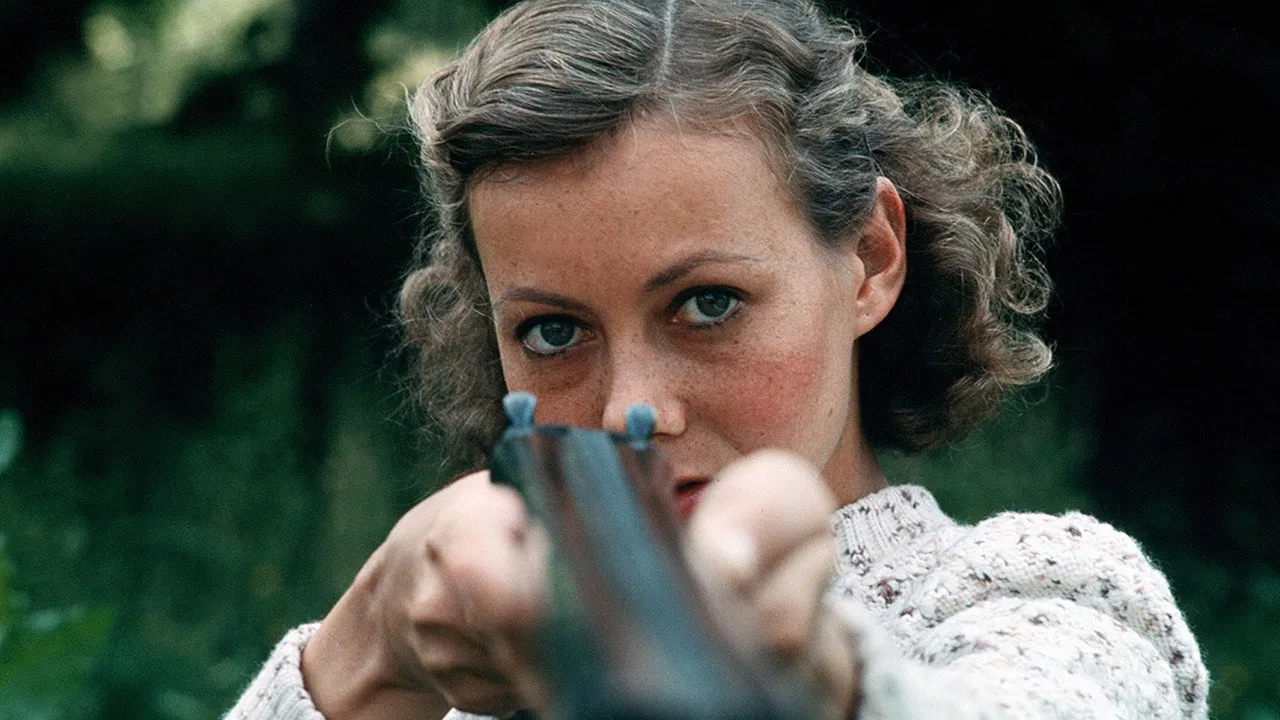
Stills: TMDb
True or false?
The novel's author doubted anyone would want to film it.
It's true. Jack Higgins thought it wouldn't interest anyone because the protagonists were German soldiers, and was amazed to sell the rights within a fortnight. Source ↗
Connections in the catalog
Director
John Sturges1 more
Cinematography
Anthony B. Richmond1 more
Music
Lalo Schifrin3 more
Cast
Michael Caine2 more
Budget and box office
| Budget (1976) | $6,000,000 |
| Today's equivalent | ≈ $33.9 million |
Adjusted for inflation using the US CPI
Technical details and shooting
| Image | Color |
| Languages | English |
| Music | Lalo Schifrin |
| Screenplay | Tom Mankiewicz |
Script and source material
| Based on | The Eagle Has Landed, novel by Jack Higgins (1975) |
Wikipedia (EN) · Wikipedia (ES) · Wikidata · IMDb · TMDb
Analysis prepared with AI assistance from these sources. Quotes are checked word for word against the original text. How we build these pages →