
The Great Dictator
| Director | Charles Chaplin |
| Writer | Charles Chaplin |
| Cinematography | Karl Struss, Roland Totheroh |
| Cast | Charles Chaplin, Paulette Goddard, Jack Oakie, Reginald Gardiner |
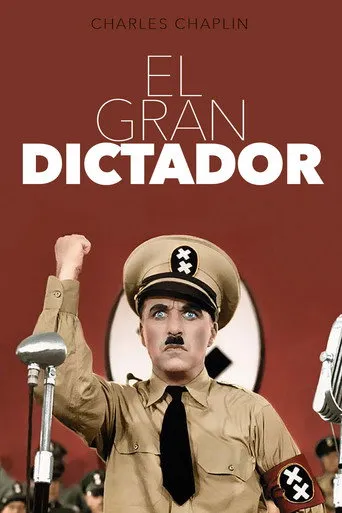
A Jewish barber who lost his memory in the First World War returns to his neighborhood, now ruled by dictator Adenoid Hynkel, who looks exactly like him. While Hynkel dreams of ruling the world, their likeness leads to a decisive mix-up.
| Copy | Complete · 174 of 125 min |
| Quality | SD |
| Version | English · No subtitles |
| Checked |
Pros
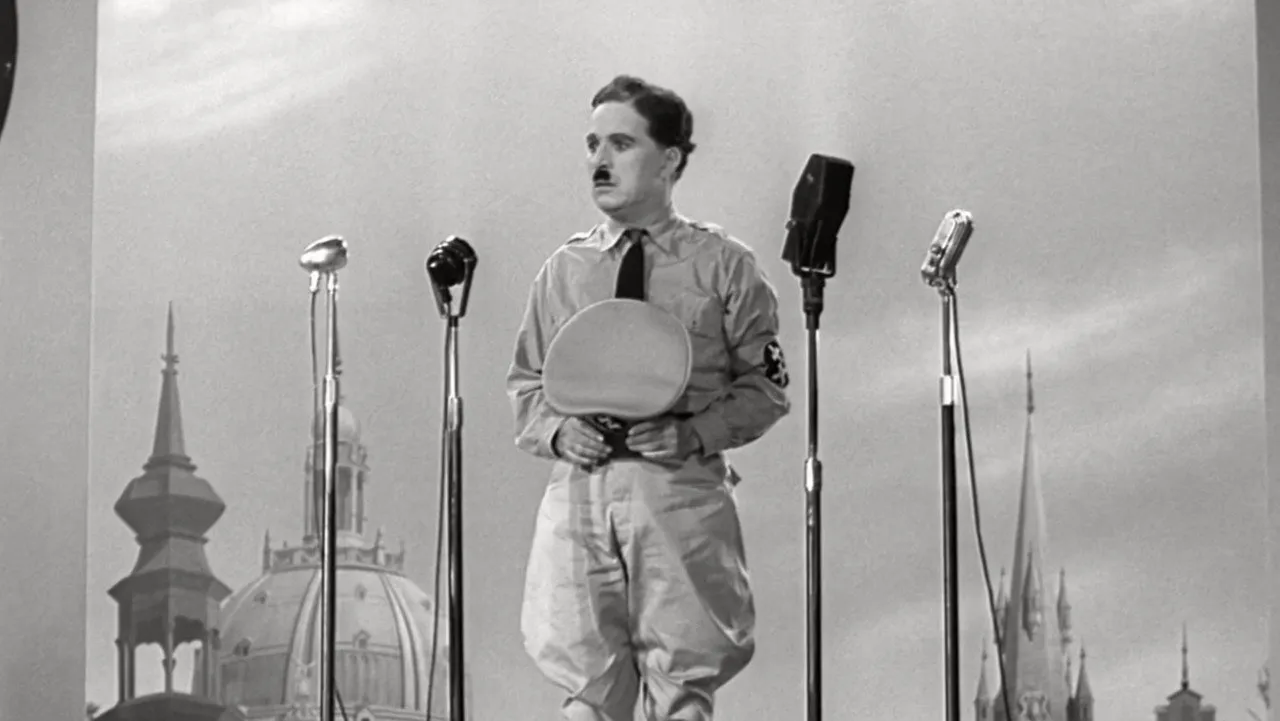
- The closing speech for liberty and brotherhood is one of cinema's most famous monologues.
- It came out in 1940, in wartime, when mocking Hitler was a real risk.
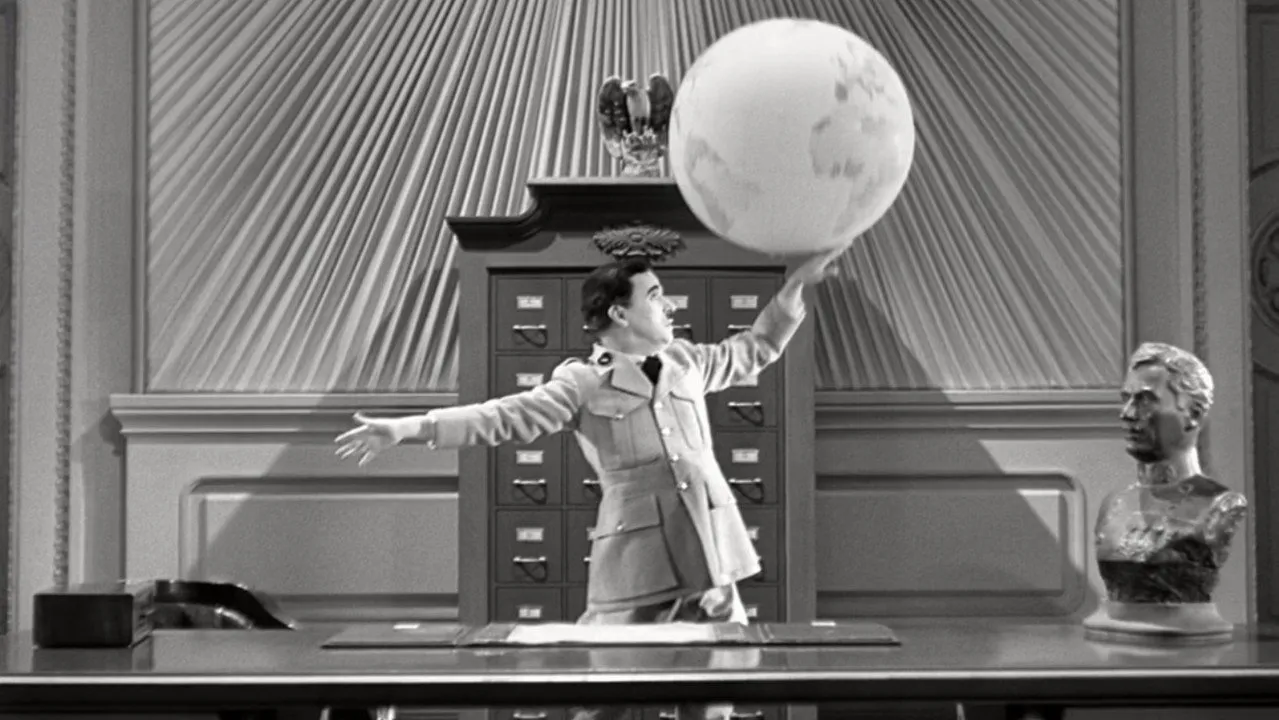
- Hynkel's dance with the globe to Wagner is an unforgettable image.
- Five Oscar nominations and preserved in the National Film Registry.
Cons
- The tone jumps from farce to sermon in the closing speech, which not everyone accepts.
- Chaplin himself later said he would not have made it had he known the true extent of Nazi crimes.
- It was banned in much of Europe and in several Latin American countries.
What the critics said
«A truly superb accomplishment by a truly great artist»
Bosley Crowther · The New York Times, 1940 · Source ↗
The American welcome was enthusiastic despite the subject, still sensitive before the US entered the war.
«Perhaps the most significant film ever produced»
Bosley Crowther · The New York Times, 1940 · Source ↗
Praise that values its political courage more than its comedy.
«Charlie Chaplin demonstrates that his comedic voice is undiminished by dialogue in this rousing satire of tyranny, which may be more distinguished by its uplifting humanism than its gags.»
Rotten Tomatoes · consenso de la crítica · Source ↗
Settles the big question of the time: the Tramp could speak without losing his charm.
Famous quotes
«I'm sorry, but I don't want to be an emperor. That's not my business. I don't want to rule or conquer anyone.»
The barber · PlayPhrase ↗ · QuoDB ↗
«Liberty took a nose dive, and humanity was kicked around somewhat.»
Opening title · PlayPhrase ↗ · QuoDB ↗
Quotes: Wikiquote (CC BY-SA)
Famous scenes
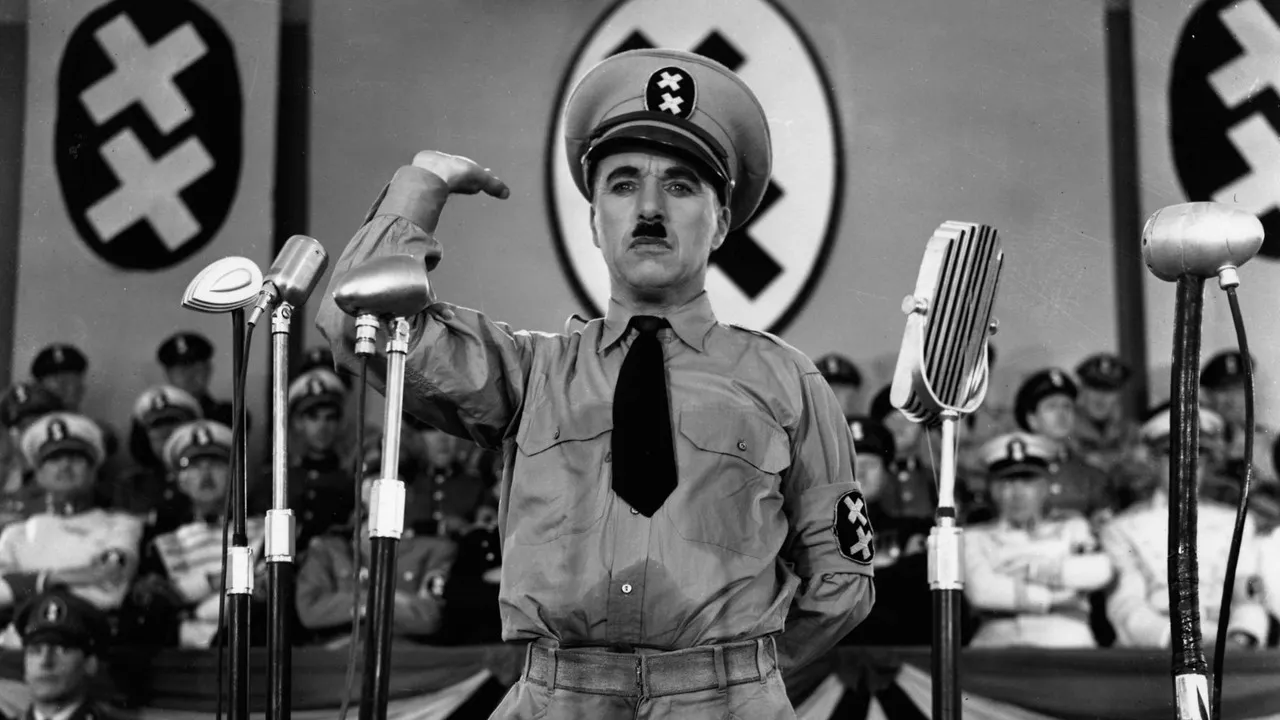
Hynkel harangues the crowd in made-up German that caricatures Hitler's oratory.
Alone, Hynkel plays with an inflatable globe to the Lohengrin prelude until it bursts.
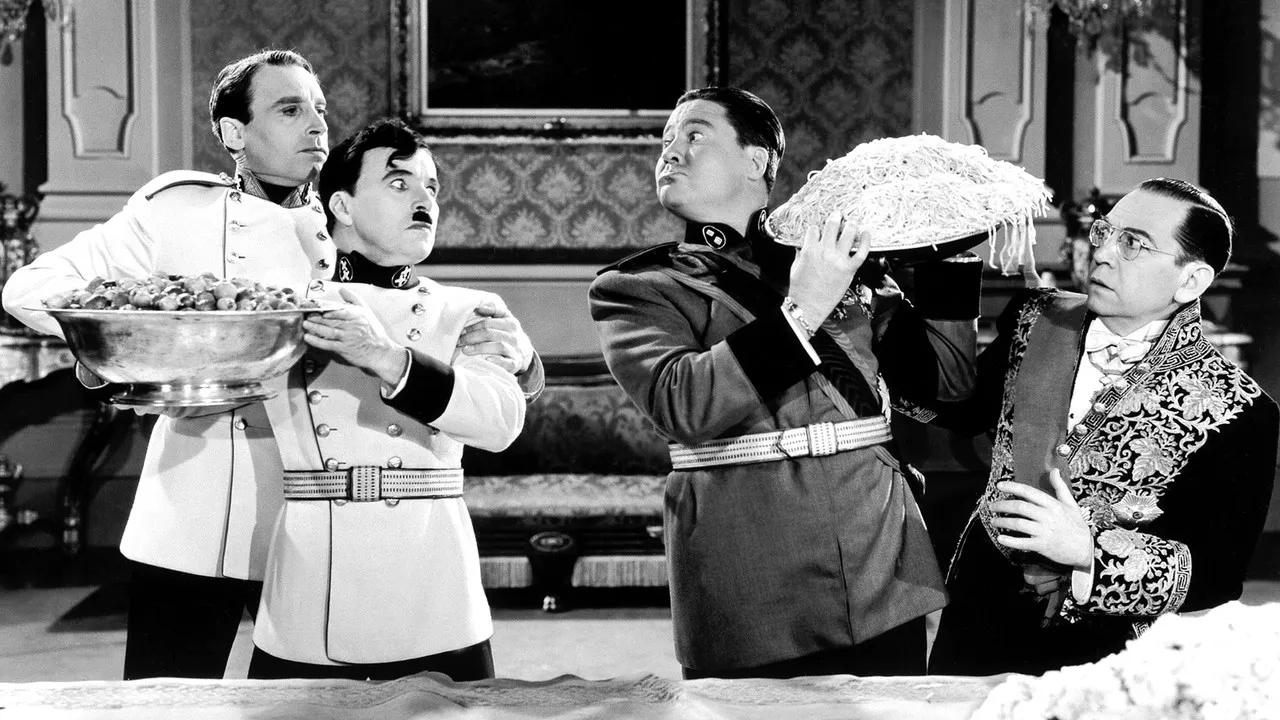
The two dictators, parodies of Hitler and Mussolini, compete to come out on top in every meeting.
Mistaken for Hynkel, the barber takes the microphone and makes a plea for brotherhood and democracy.
Gallery
Stills: TMDb
True or false?
The British government announced it would ban the film.
Connections in the catalog
In the great lists
| New York Magazine · best movies that lost Best Picture (2020) | Included |
Awards
| New York Film Critics Circle Award for Best Actor | 1940 |
| National Board of Review: Top Ten Films |
Budget and box office
| Budget (1940) | $2,000,000 |
| Today's equivalent | ≈ $46.0 million |
| Box office | $5 million in worldwide rentals ($3.5M in the US and Canada) |
Adjusted for inflation using the US CPI
Technical details and shooting
| Image | Black and white |
| Languages | English, eo |
| Shooting | From September 1939 at the Chaplin Studios in Los Angeles; the WWI scenes in Laurel Canyon |
| Inspiration | Chaplin studied newsreels and Leni Riefenstahl's Triumph of the Will to mimic Hitler's mannerisms |
| Music | Chaplin and Meredith Willson; includes Wagner's Lohengrin prelude |
| First talkie | Chaplin's first true sound film |
| Audience | 9 million admissions in the United Kingdom |
| Preservation | National Film Registry (1997) |
Wikipedia (EN) · Wikipedia (ES) · Wikiquote · Wikidata · IMDb · TMDb
Analysis prepared with AI assistance from these sources. Quotes are checked word for word against the original text. How we build these pages →